

Diabetes – understanding this condition.
Understanding Diabetes to take control of your health
Is it possible to improve a diabetic condition?
For a simple explanation regarding Diabetic Nerve Pain
1) What is Diabetes?
2) Types of Diabetes
3) Side effects of too much glucose in the blood
4) Side effects of too much insulin
5) Diabetic Symptoms
6) 12 Signs of Diabetes
7) Complementary Natural Treatment for Diabetes
What is Diabetes?
Diabetes is a one of the Metabolic Condition. Metabolism is a generic word for EVERY chemical process in your body from energy production to cellular reproduction and fighting off disease. If you have high blood pressure, high blood glucose, insulin resistance, high cholesterol, excess weight around the waist you have a metabolic disorder – an imbalance or deficiency – that negatively affects the way your body functions.
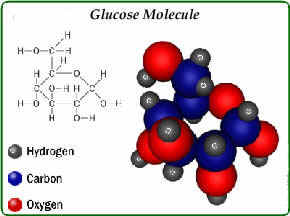
Glucose is a simple sugar which serves as the body’s fuel to produce heat and energy. When food is eaten and digestion occurs, the food is broken down into simple glucose molecules which then circulate in the blood to the cells where it can be used. When it is found in the human bloodstream it is referred to as “blood sugar”. Carbohydrates are long chains of glucose molecules which are broken down to glucose.
How does this become the condition known as diabetes? Glucose cannot penetrate the cell wall unless it is attached to molecules of insulin. The sugars and starches you eat are converted to glucose, which enters your bloodstream to be transported to the cells.
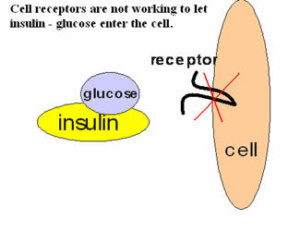 This is where insulin comes in. It “unlocks” your cell walls so the glucose can enter. Insulin’s job is to push the blood sugar into the cells. In order for this to work, your cells need to be sensitive to insulin. Without this, the glucose does not enter the cells but accumulates in the blood and circulates helplessly, eventually entering the kidneys and then the bladder for excretion in the urine.
When your cells aren’t sensitive to insulin, your body has to do something with the glucose. It converts some of it into fat, and the rest can become AGEs (advanced glycation end products) — which can build up in the tissues and affect cellular function.
While circulating, this excess sugar will react with oxygen to form unstable molecules called free radicals which can cause havoc by stealing electrons from your body’s healthy molecules to balance themselves. This type of damage is thought to be associated with all the complications of diabetes.
The bottom line is you want your cells to be sensitive to insulin.
Although genetics may make a person susceptible to diabetes, a diet high in refined, processed foods is present in most cases of the disease. This diet results in damage caused by chronic exposure to high levels of insulin.
Types of Diabetes
Diabetes is generally divided into two categories:
Type I called insulin-dependent or juvenile diabetes, and
Type II or non-insulin dependent diabetes.
Type I diabetes is associated with the destruction of the beta cells of the pancreas, which manufacture insulin. This type of diabetes occurs mostly in children and young adults. Their bodies don’t manufacture enough insulin.
There are two types of Type I Diabetes:
Diabetes Insipidus: This is a rare metabolic disorder caused either by a deficiency of the pituitary hormone vasopressin or by the inability of the kidneys to respond properly to this hormone. Failure to produce adequate amounts of vasopressin is usually the result of damage to the pituitary gland.
Diabetes mellitus: mellitus means “honeyed” in Latin). This results from a defect in the production of insulin by the pancreas. Without insulin, the body cannot use the glucose (blood sugar). As a result, the level of glucose circulating in the blood is high and the level of glucose absorbed by the body tissues is low. The glucose cannot get inside of the cells where it is needed.
Type II is by far the more prevalent form.
In this type of the disorder, the Type II diabetes, the pancreas does produce insulin, but the insulin produced is ineffective as outlined above.
With the constant inflow of high carbohydrate and sugary foods, the body produces more insulin. When this continues day after day and year after year, the cells become insulin resistive – the doors to the cells which are called cell receptors close up.
The body produces more insulin to get the glucose into the cells. The body is then producing too much insulin, the cells don’t respond to the insulin anymore, so more and more insulin is put into the blood stream which in turn creates more insulin resistance.
It appears that there are many reasons why diabetes develops.
But the main reason is poor food selection, a diet high in refined carbohydrates and sugars. Your typical American diet.
Side effects of too much Glucose in the blood
If you have too much sugar in the blood, it will lead to increased thirst in the body’s attempt to get rid of the extra sugar. This leads to increased urination.
However, too much sugar causes narrowing of the small blood vessels throughout the body. The higher the blood sugar level, the more the small blood vessels narrow. The blood vessels thus carry less blood, and circulation is impaired.
Poor circulation in turn results in the complications: kidney disease, poor wound healing and foot and eye problems.
This sugar imbalance also alters fat metabolism, increasing the risk that cholesterol-laden plaque will build up in the large blood vessels.
Excess sugar also sticks to proteins, causing their structural and functional properties to be changed and is a reason that wounds don’t heal, they have trouble making quality collagen, the connective tissue that is the major structural protein in the body.
Stress results in the adrenal glands putting adrenaline into the bloodstream which increases the free fatty acids and shuts off the release of insulin. In obesity, less and less insulin is able to reach the insulin-responsive muscles. There is not enough supply of insulin to meet the demand.
Another complication is Diabetic Neuropathy (damage to nerves caused by diabetes, by the excess sugar in the blood). This affects the peripheral nerves, such as those in the feet, hands and legs. Symptoms include numbness, tingling and pain. This is where it becomes nerve pain. See our article on neuropathy.
It is for these reasons that people who have diabetes are at considerable risk of these “complications”.
Side Effects of Too Much Insulin
Your “metabolism” is the food processing and energy production system of your body. It is made up of extremely fine-tuned internal processes.
Insulin is the master hormone of your metabolism. When it is out of balance and your insulin levels are consistently elevated, a long list of deadly complications is created:
- Heart Disease
- Hardening of the Arteries
- Damage to Artery Walls
- Increased Cholesterol Levels
- Vitamins & Mineral Deficiencies
- Kidney Disease
- Fat Burning Mechanism Turned Off
- Accumulation & Storage of Fat
- Weight Gain
Excess Insulin Causes Nutrient Deficiencies
Science has shown that excess insulin also causes your body to become deficient in many vitamins, minerals and other nutrients.
Chromium is essential to proper metabolism and maintaining safe sugar levels. Excess insulin depletes your body’s chromium. Where does the “sweet tooth” and sugar cravings come from, chromium deficiency.
Calcium & Magnesium are also depleted by excess insulin, which can cause many problems, as they are critical to over 200 biochemical processes in your body.
Other very important nutrients which excess insulin causes you to be deficient, in are Zinc, Selenium, Vitamin E, Vitamin C, Vanadium, B Complex Vitamins, essential fatty acids and many more.
Symptoms of Diabetes
Symptoms of Type I diabetes include:
- irritability
- frequent urination
- abnormal thirst
- weight loss despite a normal (or even increased) intake of food.
- In children, frequent bedwetting – especially by a child who did not previously wet the bed – is another common sign.
People with Type I diabetes are subject to episodes in which blood glucose levels are very high (hyperglycemia) and very low (hypoglycemia). Either of these conditions can lead to a serious medical emergency. Episodes of low blood sugar, which strike suddenly, can be caused by a missed meal, or a reaction to too much insulin. The initial signs of hypoglycemia are:
- hunger
- dizziness,
- sweating
- confusion
- palpitations
- numbness or tingling of the lips.
If not treated the individual may go on to experience:
- double vision
- trembling
- disorientation
- may act strangely
- may eventually lapse into a coma.
According to Richard Bernstein, M.D., author of Diabetes Type 2, Including Dramatic New Approaches to the Treatment of Type 1 Diabetes, other symptoms of high blood sugar may include:
- confusion
- headache
- trembling hands
- tingling in the fingers or tongue
- buzzing in the ears
- elevated pulse
- unusual hunger
- a tight feeling in the throat or near the tongue
- clumsiness
- less ability to detect sweetness in taste sensations
- irritability
- stubbornness
- nastiness
- pounding the hands on the tables and walls
- blurred vision
- visual spots
- double vision
- visual hallucinations
- visual impairments
- lack of physical coordination
- tiredness
- weakness
- sudden awakenings from sleep
- shouting while asleep
- rapid and shallow breathing
- nervousness
- light-headedness
- faintness
- feelings of unusual warmth
- cold clammy skin
- restlessness
- insomnia
- nightmares
- paleness of complexion
- nausea
- slurring of speech
- a condition called nystagmus in which the eyes involuntarily jerk when sweeping from side to side.
For some, blood sugar is elevated when the letters of the Arabic alphabet begin to look like they’re written in Russian or Chinese.
Other people walk into walls when their blood sugar is high. Some people become intensely angry and upset for no apparent reason. According to Dr. Bernstein, the symptoms of high blood sugar may occur in clusters or appear alone without other symptoms.
In contrast, high blood sugar can trigger an episode over a period of several hours or even days. This risk is greatest during illness, when insulin requirements rise. The blood sugar can creep up, ultimately resulting in coma, a reaction also known as diabetic ketonacidosis. Once of the warning signs of developing high blood sugar is the inability to keep down fluids. Possible long-term complications include stroke, blindness, heart disease, kidney failure, gangrene and nerve damage.
Type II diabetes
The second category of diabetes mellitus, often referred to as maturity-onset diabetes, is most likely to occur in people with a family history of diabetes. (But, then again, eating habits run in the family).
Symptoms include:
- blurred vision
- itching
- excessive thirst
- frequent urination of large amounts of fluid
- systemic hyperacidity
- rapid weight loss
- severe itching
- fatigue and marked weakness.
- drowsiness
- skin infections
- slow wound healing
- tingling or numbness of the feet
- The onset of type II diabetes typically occurs during adulthood and is linked to a poor diet.
Other signs that may be associated with diabetes include:
- lingering flu-like symptoms
- loss of hair on the legs
- increased facial hair.
- small yellow bumps known as zanthomas anywhere on the body.
Important Note: If you are diagnosed as having diabetes your doctor will give you instructions on what to do if hypoglycemia occurs. If symptoms of hyperglycemia develop, go to the emergency room of the nearest hospital. This is a potentially dangerous situation and intravenous administration of proper fluids, electrolyte, and insulin may be required to lower blood sugar.
12 Signs of Diabetes:
1) Recurring infection plus scratch/dry skin. This sign of diabetes is the outcome of the poor blood circulation and high blood glucose level.
2) Gum (periodontal) disease. Experiencing pain whenever chewing food is a sign of diabetes. For those with more serious gum problems, this may even lead to teeth loss.
To treat gum disease, diabetics must work on controlling the diabetic condition. Gum disease is the result of too much glucose in the blood, which damages oral health. There are other reasons: read Periodontal Disease
3) Hair thinning or loss of hair. Because of the diabetic condition, lost hair is not replaced as readily as someone without the disease.
4) Tingling and numbness in hands and feet. This condition is known as neuropathy (nerve damage from diabetes) Usually, this condition surfaces only when the increasing sugar in blood has damaged the nervous system. This sign of diabetes usually surfaces at a later time. This is nerve damage and is a major complication of diabetes.
5) Itches and sores around the genital area. Often, this can be misdiagnosed as Vaginal thrush, candidacies or yeast infection. However, this sign of diabetes is due to too much sugar content in the urine.
6) Frequent urination. As the kidney cannot absorb the sugar (glucose), the only way to remove the high sugar content in blood is to purge them into the urine. Since the urine is carrier for this glucose, more is produced in order to cater for the increasing sugar content. And therefore, diabetics find themselves visiting the toilet as high as once every 60 minutes. This is usually the 1st sign of diabetes.
7) Always thirsty. Even during cool season, and diabetics involving only in light activities, they tend to get thirsty easily despite drinking plenty of water. This is because of the large amount of fluid loss through urine so as to flush out the glucose. Dehydration as a result of frequent urination causes diabetics to get thirsty often.
8) Dry mouth. This is one of the more obvious signs of diabetes. Again, this is closely linked to the loss of fluid – the direct result of frequent urination. Dehydration leading to insufficient saliva to moist the mouth.
9) Feel tired and weak all the time. No matter how much diabetics rest, they are also lethargic. They are always low in energy, because diabetics lose some of the glucose (energy) during urination.
10) Gain or lose weight unexpectedly. Unexpected weight loss could be due to dehydration – a direct consequence of frequent urination. Also, it can be due to breakdown of muscle as a result of high glucose content. Either way, these are sign of diabetes. While unexpected weight loss is not a good sign, so is weight gain. Resistance to insulin promotes fat storage, and this means that glucose cannot be absorbed by the body for use as energy.
11) Blurred vision. Pre-diabetics tend to overlook this. Seldom do they suspect this as a sign of diabetes. This can be a serious problem as unclear vision untreated eyes problem (due to diabetes) can lead to blindness.
12) Slow healing cuts and bruises. Diabetics take longer to heal compared to non-diabetics. This is more obvious for wounds and cuts on the feet due to poorer circulation.
What can you do to help the Diabetic Condition?
Diabetes is now ranked as the fifth largest killer in the United States, but this does not take into consideration many of the heart attacks, strokes and deaths by other complications brought about by too much sugar in the blood.
The discovery of insulin in the 1920s was thought to be a miracle cure. It has saved countless lives and has extended the life spans of childhood diabetics from months to decades for those who are insulin dependent. This is different from Type II Diabetes that can be helped with diet.
What can be done?
The medical profession has many different remedies to help lower blood sugar and AC1. We don’t need to repeat this here.
We always recommend you take the approach of building health – and diabetes is no different.
Building Health for the Diabetic
STILL HAVE QUESTIONS? CALL 818 252-1038 OR EMAIL AND GET YOUR QUESTIONS ANSWERED.
Diabetic Neuropathy? Go here Diabetic Neuropathy (or nerve damage from Diabetes)
Sign up to receive the MCVitamins Newsletter!
Up-to-date info on the latest health-related news happening in the world
(available in English only)