

Kidney Stones and Kidney Health, what you can do
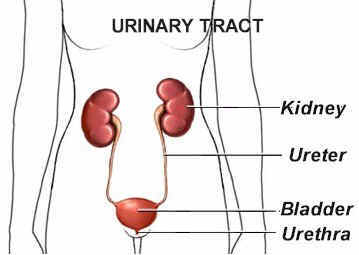 Kidney stones are accumulations of mineral salts that can lodge anywhere along the course of the urinary tract. Normally, these salts would stay in a solution. However, if the system that keeps it a solution is overwhelmed or a person’s immunity becomes depressed these substances can crystallize and begin to clump together.
Then they stick together, they form small “pebbles.” They can be as small as grains of sand or as large as golf balls. They may stay in your kidneys or travel out of your body through the urinary tract.
The urinary tract is the system that makes urine and carries it out of your body. The urinary tract is made up of the kidneys, the tubes that connect the kidneys to the bladder (ureter), and the tube that leads from the bladder out of the body (urethra).
When a stone travels through the system, it may cause no pain. Or it may cause great pain and various other symptoms.
What causes kidney stones?
Kidney stones form when a change occurs in the normal balance of water, salts, minerals, and other things found in urine. The most common cause of kidney stones is not drinking enough water.
About 80% of all kidney stones are calcium stones. When calcium is increased in the urine, they eventually cause a stone. High calcium levels can come from excessive absorption of calcium from the intestines, a malfunctioning parathyroid gland (tiny glands in the neck that regulate calcium levels), as well as the consumption of refined carbohydrates, especially sugar. Stones can also come from urinary infections. There is also a rare genetic defect.
People with Crohn’s Disease, or Irritable Bowel Syndrome or someone who digests a large amount of oxalic acid will have an increased risk of kidney stones. Avoiding packaged foods with large amounts of added sugars, and from reducing sugars added in food preparation and at the table.
Kidney stones are 10 times as common now as they were in the early 1900s. While the consumption of foods high in oxalic acid (mostly eggs, fish and certain vegetables) has declined the amount of animal fats and protein the average American diet has increased.
Other risk factors are low urine volume, low bodily pH (too acid) and reduced production of natural urinary inhibitors of crystalline formation. Certain drugs can also promote kidney stones, such as Lasix (furosemide), Topomax (topiramate), and Xenical, among others.
Types of Kidney stones:
Most kidney stones contain crystals of multiple types, but determining the predominate type helps you identify the underlying cause:
- Calcium stones: The most common type (four out of five cases) is usually in the form of calcium oxalate. Oxalate is found in some fruits and vegetables, but your liver produces most of your oxalate. If you are found to have oxalate stones. Your physician may recommend avoiding foods rich in oxalates, such as dark green vegetables, nuts and chocolate. However adding lemon is a better solution then not eating healthy foods. See Drink Lemon Water
- Struvite stones: Found more often in women, these are almost always the result of urinary tract infections.
Uric acid stones: These are a byproduct of protein metabolism. They’re commonly seen with gout, and may result from certain genetic factors and disorders of your blood-producing tissues. However, fructose also elevates uric acid, and there is evidence that fructose consumption is helping to drive up rates of kidney disease. - Cystine stones: Representing only a very small percentage of kidney stones, these are the result of a hereditary disorder that causes your kidneys to excrete massive amounts of certain amino acids (cystinuria).
What are the symptoms?
Kidney stones often cause no pain while they are in the kidneys, but they can cause sudden, severe pain as they travel from the kidneys to the bladder.
Symptoms may be severe pain in your side, belly, or groin or the urine may look pink or red. It can also make a person feel sick to their stomach (nausea) and they may vomit.
Kidney stones may not cause any pain. If this is the case, you may learn you have them when your doctor finds them during a test, or when you pass a stone.
How are they treated?
For most stones, drinking enough water to keep your urine clear, or about 8 to 10 glasses of water a day will help flush the stones out. There are also various other natural methods to get the stone to pass (see below).
If there is pain, drink the juice of half a fresh lemon in 8 ounces of water every hour until the pain subsides.
You can also alternate between lemon juice and fresh apple juice.
If a stone is too large to pass on its own, or if it gets stuck in the urinary tract, you may need more treatment. About 1 or 2 out of every 10 kidney stones needs more than home treatment.
The most common medical treatment is shock waves to break a kidney stone into small pieces. The bits can pass out of the body in your urine.
Prevention of further stones and good kidney function:
Once you have had one kidney stone attack, your chance of recurrence is about 70 to 80 percent, and the younger you are when you have your first attack, the greater your risk of recurrence. There are life style changes that will help.
Drink plenty of water the first most important measure to prevent stones from forming is to increase water consumption. Water dilutes urine and helps prevent concentrations of the minerals and salts that can from stones. Don’t drink only if you’re thirsty. Also, as we grow older the thirst mechanism sometimes doesn’t work as well.
It is recommended is drinking enough water to produce at least 2 quarts of urine in every 24-hour period, but a simpler way to know if you are drinking enough water is to check the color of your urine; you want your urine to be a very light yellow.
Every person’s water requirement is different, depending on your particular system and activity level, but simply keeping your urine light yellow will go a long way toward preventing kidney stones. Remember to increase your water intake whenever you increase your activity, and when weather is warmer.
Note: If you happen to be taking any supplements that contain vitamin B2 (riboflavin), the color of your urine will be a very bright nearly fluorescent yellow and this will not allow you to use the color of your urine as a guide to how well you are hydrated.
Make Sure You Get Adequate Magnesium
Magnesium is responsible for more than 300 biochemical reactions in your body, and deficiency of this mineral has been linked to kidney stones. It also plays an important role in your body’s absorption and assimilation of calcium, as if you consume too much calcium without adequate magnesium, the excess calcium can actually become toxic and contribute to kidney stones.
Magnesium helps prevent calcium from combining with oxalate, which is the most common type of kidney stone.
Green leafy vegetables like spinach and Swiss chard are excellent sources of magnesium, and one of the simplest ways to make sure you’re consuming enough of these is by juicing your vegetables. Vegetable juice is an excellent source of magnesium, as are some beans, nuts and seeds, like almonds, pumpkin seeds, sunflower seeds and sesame seeds. Avocados are also a good source. However, surveys suggest that many Americans are not getting enough magnesium in their diets.
It’s been estimated that up to 80 percent of the U.S. population is deficient in this important mineral, according to Carolyn Dean, MD, ND, author of The Miracle of Magnesium.
If you decide to supplement with magnesium it is important to understand that its complementary partner is calcium. So you should use both. Typically you would use twice as much elemental magnesium relative to the elemental calcium. That ratio works out quite well for most
Drink unsweetened cranberry juice to help acidify the urine (unless you are prone to uric acid stones.
Drinking the juice of a fresh lemon in a glass of warm water every morning can prevent stones from forming.
Increase the consumption of fresh foods rich in vitamin A. It is beneficial to the urinary tract and helps to discourage the formation of stones. Great sources of vitamins A include alfalfa, apricots, cantaloupes, carrots, pumpkin, sweet potatoes and squash.
Minimizing consumption of animal fats is another method. A high-animal protein diet causes the body to excrete calcium, phosphorus, and uric acid in the kidneys and often resulting in painful kidney stones.
Avoid carbonated drinks.
Make Sure You Get Adequate Potassium
Potassium has the ability to protect your kidneys, your heart, and your arteries, so maintaining a high potassium diet is something that could help if you have problems with any of these organs.
Avoid Sugar, Including Fructose and Soda
Avoid refined sugar. Sugar stimulates the pancreas to release insulin, which in turn causes extra calcium to be excreted in the urine.
A diet high in sugar can set you up for kidney stones, since sugar upsets the mineral relationships in your body by interfering with calcium and magnesium absorption. The consumption of unhealthy sugars and soda by children is a large factor in why children as young as age 5 or 6 are now developing kidney stones.
One study in South Africa found that drinking soda exacerbates conditions in your urine that lead to formation of calcium oxalate kidney stone problems. Sugar can also increase kidney size and produce pathological changes in your kidney such as the formation of kidney stones.
Stay active.
People who are sedentary tend to accumulate high levels of calcium in the blood stream. Exercise helps pull calcium from the blood into the bones, where it belongs.
You’re more prone to kidney stones if you’re bedridden or very sedentary for a long period of time, partly because limited activity can cause your bones to release more calcium. Exercise will also help you to resolve high blood pressure, a condition that doubles your risk for kidney stones.
Eat Calcium-Rich Foods (but be careful with supplements)
In the past, kidney stone sufferers have been warned to avoid foods high in calcium, as calcium is a major component of the majority of kidney stones. However, there is now evidence that avoiding calcium may do more harm than good. The Harvard School of Public Health conducted a study of more than 45,000 men, and the men who had diets rich in calcium had a one-third lower risk of kidney stones than those with lower calcium diets.
It turns out that a diet rich in calcium actually blocks a chemical action that causes the formation of the stones. It binds with oxalates (from foods) in your intestine, which then prevents both from being absorbed into your blood and later transferred to your kidneys.
So, urinary oxalates may be more important to formation of calcium-oxalate kidney stone crystals than is urinary calcium. It is important to note that it is the calcium from foods that is beneficial — not calcium supplements, which have actually been found to increase your risk of kidney stones by 20 percent.
What does need to happen is that the calcium in your foods needs to be absorbed and not left sitting in the kidneys. In order to be properly absorbed vitamin D needs to be present. Once absorbed, essential fatty acids needs to be sufficient as it is the essential fatty acids that moves the calcium so it isn’t left sitting in organs and blood vessels.
How do you get enough calcium?
Inadequate calcium and vitamin D & Vitamins F intake is harmful to bone health.
Calcium: You need to either eat a diet which is adequate in calcium or take a whole food based calcium supplement. Be careful of anything called calcium carbonate – it is just ground up rocks and will not be absorbed by the body.
Vitamin D: In order for calcium to be absorbed, vitamin D must be present.
Here again strong warnings about sun-bathing, due to skin cancer threat, result in many persons from avoiding direct exposure from sunlight or sky shine. Sometimes they don’t make up this deficit by eating vitamin D rich foods. Take a walk for 20 minutes in the sun. Get sunshine and your body will have sufficient Vitamin D.
You can also supplement, but make sure you don’t overdue to the vitamin D. That can unbalance your body just as badly.
Vitamin F: In order for calcium to be used by the body, it needs vitamin D to absorb it and Vitamin F to move it around. If Vitamin F is not present, the calcium remains in the joints, blood vessels (plaque), etc.
Where can you get Vitamin F? Essential fatty acids – Omega 3 Fish Oil
We recommend the Cold Water Fish Oil. When the fish comes from deep cold waters, it doesn’t have pollutants.
To make sure you get adequate amounts of Calcium and Vitamin D a good daily supplement can be taken.
Avoid Non-Fermented Soy
Soybeans and soy-based foods may promote kidney stones in those prone to them, as they may contain high levels of oxalates, which can bind with calcium in your kidney to form kidney stones. Soy milk, soy burgers, soy ice cream and even tofu are not recommended.
Other Suggestions: Kidney stones home remedy –
Drink unsweetened cranberry juice to help acidify the urine (unless you are prone to uric acid stones).
Drinking the juice of a fresh lemon in a glass of warm water every morning can prevent stones from forming.
Increase the consumption of fresh foods rich in vitamin A. It is beneficial to the urinary tract and helps to discourage the formation of stones. Great sources of vitamins A includes alfalfa, apricots, cantaloupes, carrots, pumpkin, sweet potatoes and squash.
Avoid carbonated drinks.
Do you ever think about the health of your kidneys and how they impact your overall health?
Your kidneys are like vacuum cleaners for your blood, filtering out waste products and toxins and reabsorbing nutrients. The better they do this job, the healthier your body is overall. But when they stop working properly or are damaged in any way, they can cause problems throughout your entire system.
Early signs of kidney damage can include:
• A metallic taste in your mouth
• Itchiness
• Ammonia odor on breath
7 Warning Signs that Your Kidneys are Toxic
- Edema, (fluid buildup) Legs and Eyes
- Uremic Frost (urea crystal deposits on the skin)
- High Blood Pressure
- Exhausted
- Protein in the Urine
- Acidic Urine
- Low Vitamin D
These are the primary causes of kidney damage:
#1 Diabetes
#2 High blood pressure
#3 Polycystic kidney disease
#4 Glomerulonephritis
If you have end-stage kidney disease, it’s important to avoid having too much phosphorus and potassium.
If you don’t have severe kidney damage, potassium is one of the most important minerals to support your kidneys.
When you have kidney damage, you will likely have low vitamin D and calcium.
The best foods and nutrients for your kidneys are:
• Leafy-green vegetables
• Asparagus
• Kale
• Celery
• Fish/seafood
• Organic grass-fed meat
• Baja gold sea salt
• Renafood (Standard Process supplement)
Avoid these foods if you have kidney problems:
• Spinach
• Almonds
• Kiwi
• Beat leaves
• Beans
• Grains
• All low-quality foods that contain chemicals, herbicides, pesticides, and GMOs
For Kidney Health
2.5 liters of water daily is ideal for supporting healthy kidneys.
STILL HAVE QUESTIONS? EMAIL AND GET YOUR QUESTIONS ANSWERED.
Sign up to receive the MCVitamins Newsletter!
Up-to-date info on the latest health-related news happening in the world
(available in English only)